
Will I Lose My Gun Rights After A Florida Conviction?
By otmseo on December 31, 2025
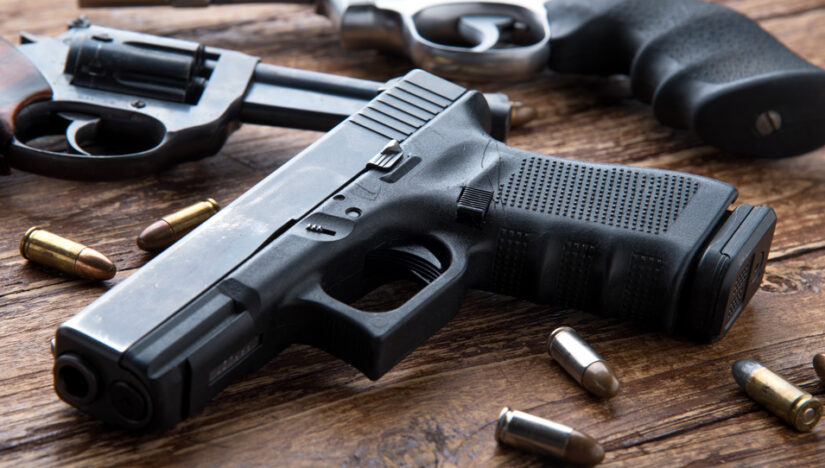
Many people contact our law firm concerned about what a conviction might mean for firearm ownership. It is a question that brings stress because it touches on personal security, family traditions, and long-held rights. We completely understand that worry. Florida gun rights after a conviction do not disappear without reason, yet the path forward is not always obvious.
Our role at Jonathan B. Blecher, P.A. is to help people understand what the law actually says, what rights remain, and how the restoration process works. When someone faces a conviction, everything feels uncertain. We aim to bring clarity so the person can move forward with confidence.
How a Florida Conviction Can Reshape Your Firearm Rights
Florida law restricts firearm rights the moment a person is convicted of a felony or certain qualifying offenses. Once that conviction enters the record, the individual becomes a convicted felon under state law and is generally prohibited from possessing firearms. This includes any firearm in a home, a vehicle, or other personal space. It does not matter whether the person intends to use the firearm or simply store it. Possessing firearms after a felony conviction can lead to new criminal charges and further legal complications.
Felony convictions cover a wide range of offenses. Some involve violence while others do not. A felony sexual offense limits firearm rights the same way a property felony does. Federal law adds another layer by restricting the rights of those with certain domestic violence convictions, even if those convictions did not rise to a felony under state law. Each rule connects to another, which is why people often feel confused when they try to understand their status.
Once a felony conviction occurs, certain civil rights are revoked. Voting rights disappear, the ability to hold public office is lost, and the right to bear arms is removed. These consequences come from long-standing public safety rules at both the state and federal levels. Even so, many people do not fully understand how strict these laws are until they try to purchase a firearm and fail the background checks or until a small mistake brings unexpected criminal charges.
Some individuals believe that time alone restores rights. Others believe the restriction applies only to concealed carry. Neither belief is accurate. Without formal rights restoration, the person remains prohibited. The law views possession as the violation, not the person’s intent. This is why legal guidance becomes essential as soon as a conviction enters the record.
What It Really Takes to Seek Restoration of Those Rights
Florida offers a path to restoration, but it is not quick and it is not simple. Before someone can seek help from the Florida Office of Executive Clemency, each part of the original sentence must be complete. This includes probation, community control, community service, court orders, and financial obligations. The process cannot begin until everything is satisfied.
Once eligibility exists, the individual may submit a clemency application. This application reaches the clemency board, a group made up of cabinet members who are given specific authority under state law to decide whether certain civil rights may be restored. Firearm rights require a deeper review than voting rights or other civil rights. The Florida parole commission and the Florida office of executive staff examine certified copies of court records, the individual’s criminal record, the nature of the conviction, any civil judgment, and whether outstanding detainers exist. They also study the person’s conduct since the conviction and whether genuine rehabilitation appears in the record.
Restoring gun rights is never automatic. Some individuals may receive restoration of civil rights but not firearm rights. Others may qualify for a full restoration depending on the offense and the time passed since release. Restoration of firearm rights requires the clemency board to determine that the person no longer poses a risk and that the restoration fits within specific circumstances set by the state.
Even after the state grants restoration, federal law must also be satisfied. Gun ownership after Florida offense issues are often influenced by federal agencies that operate separately from the state. This creates situations in which a person regains rights in Florida yet remains restricted under federal law. Without proper guidance, people can unintentionally violate federal rules. That is why understanding both systems matters.
How Skilled Legal Guidance Supports Your Path Forward
Jonathan B. Blecher, P.A. provides guidance to people who need help navigating these requirements. Our firm reviews each case carefully to determine eligibility, gather the correct documents, and ensure that the application presented to the clemency board is complete and accurate. We understand how the clemency process works, how the board reviews applications, and how to avoid delays that often frustrate applicants.
Some people believe they face a lifetime ban, only to discover that their criminal conviction does not fall into the category they thought it did. Other situations involve legal resident status, conditions of release, or outstanding fines that must be resolved before moving forward. We guide clients through each requirement to ensure compliance.
Our firm also helps applicants avoid further legal issues. The wrong step in this area can lead to serious charges. A free consultation often gives clients the confidence they need to pursue restoration of their gun rights while avoiding risks that come from incomplete information.
Understanding State and Federal Law, and Other Possible Paths
Firearm rights are controlled by two systems at once. You may be able to restore gun rights in Florida through the clemency process, but federal agencies may still classify the individual as prohibited. This creates confusion that often catches people off guard. Restoration of civil rights at the state level does not always satisfy the standards used by federal law. For that reason, we explain each step clearly so the person understands what restored status actually means.
Eligibility requirements vary by case. Some convictions require longer waiting periods. Others involve conditions tied to community control, conditional release, or completion of programs. Certain cases also involve review of the United States Constitution and how Second Amendment rights apply after rights restoration. Each case tells its own story, and our task is to determine the safest and most effective path.
Rights in Florida can be restored when the correct process is followed and the application meets the standards of the clemency board. At Jonathan B. Blecher, P.A., we remain committed to helping clients pursue restoration, protect themselves from legal complications, and regain the stability they deserve. If you want clear guidance on your situation, our office is ready to help you begin that process and understand what steps come next.